
We Can Help Bring Your Lawn to Life
Lawn tips & advice for gardeners of all skill levels
Lawn Advice & Guidance From Experienced Gardeners
Are you looking to improve the appearance and health of your lawn, but don’t know where to start? Look no further. Our team of experienced gardeners is here to provide you with the knowledge and tools you need to achieve a beautiful, lush lawn.
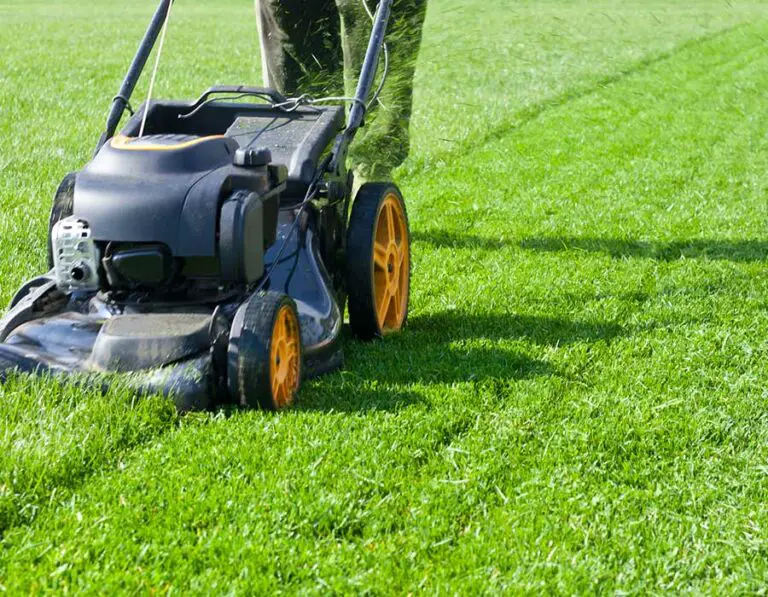
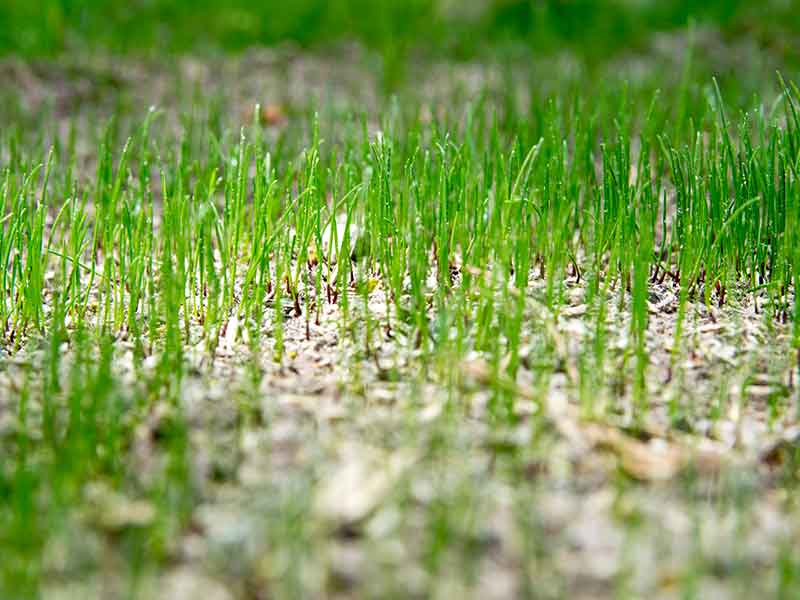
Whether you’re a seasoned green thumb or new to gardening, we have something for everyone. From selecting the right grass seed to proper mowing techniques, we’ve got you covered.

20+
Years of Experience
400+
Help Guides
Guides Covering All Aspects of Lawn Care
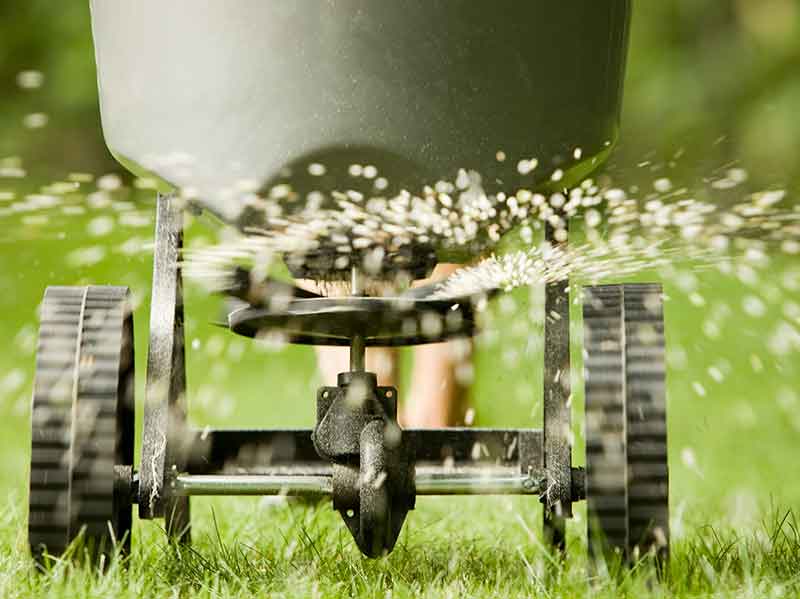
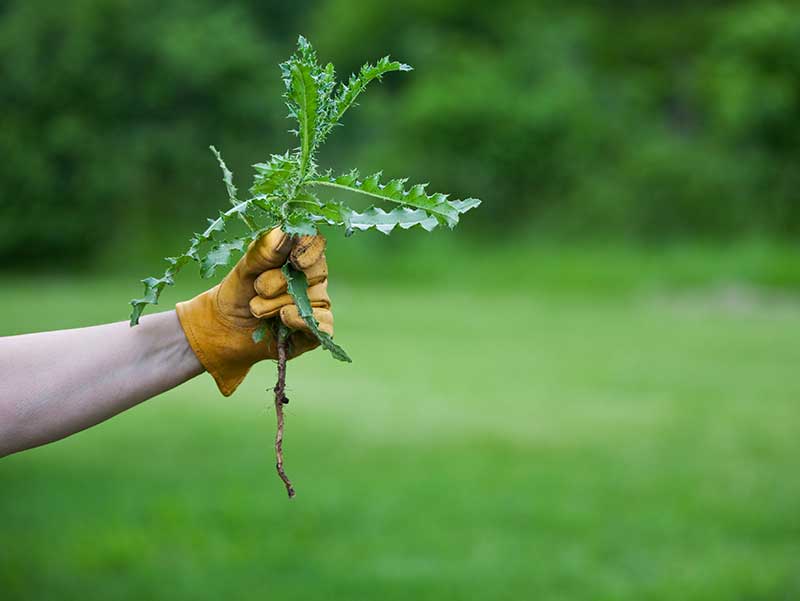
LawnFertilizers.com is the ultimate resource for anyone looking to improve the health and appearance of their lawn. From selecting the right grass seed to combating pests and diseases, we’ve got you covered. Our expert team has compiled a comprehensive collection of guides covering all aspects of lawn care,






Our Latest Articles
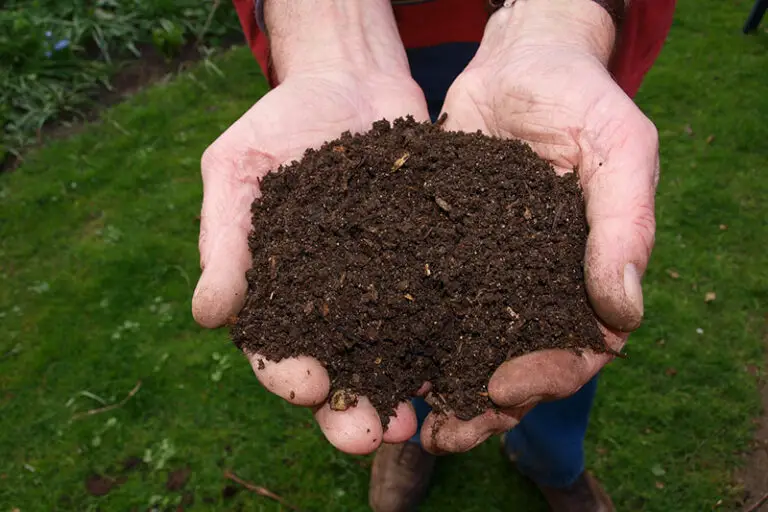
Compost vs. Fertilizer: What’s the Difference?
The main difference between compost and fertilizer lies in how they work to improve the growing conditions for your plants. Fertilizer has the primary use of delivering concentrated doses of specific nutrients directly to plants; compost is instead more of a multipurpose substance that mainly benefits the structure and nutrient content of the soil. Serving…

How Long to Keep Dog Off Grass After Spraying Weed Killer?
As a responsible dog owner, it’s important to be aware of the potential harms of any product you use in your outdoor spaces. Herbicides are one such product; containing harsh chemicals that are toxic to plant life, this leads to the question of their toxicity to your pets. As a general rule of thumb, you…
How Much Does a New Lawn Cost?
When planning out the creation of your new lawn, there are many aspects to consider. Arguably, above all else, the most important aspect to consider is your budget; the amount of money you have at your disposal will influence every other element of the project. On average, a new lawn can cost anywhere from $400…
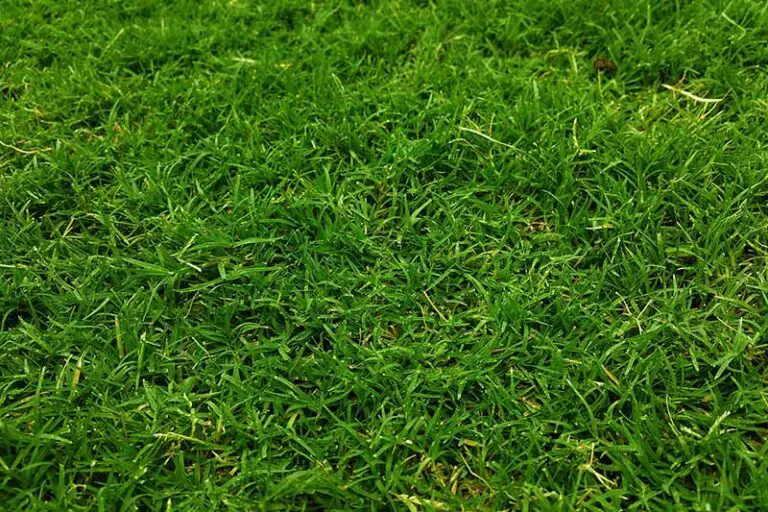
Why Isn’t My Grass Growing? Common Causes and Solutions
There are a host of different reasons why your grass may not be growing. The most common reasons for slow or non-existent grass growth are grass dormancy, improper watering, a lack of sunlight, an incorrect soil pH, or a lack of nutrients in the soil. Other reasons that could impede grass growth include soil compaction,…

Why Does Dog Pee Kill Grass? (& How to Fix Grass Where Dogs Pee)
Like humans, dogs urinate as a way to expel waste nutrients they consume from their diet. Being creatures of habit, dogs also tend to pick the same spots for their daily potty breaks. If your pup (or someone else’s pup) repeatedly urinates on your lawn, it won’t be long before you start to see the…
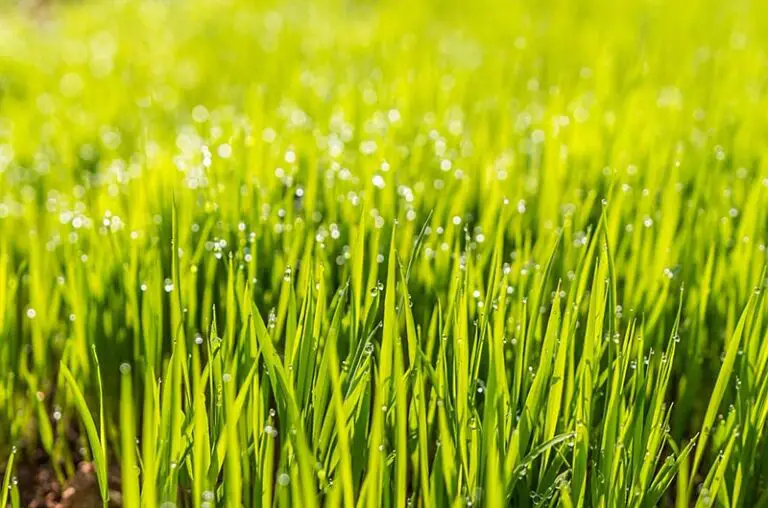
Does Watering Grass in the Sun Burn it?
One of the most common gardening myths is the idea that watering grass in the sun can burn the grass blades. Many homeowners are under the impression that water droplets on grass can refract light, increasing the sun’s intensity to the point where it burns the grass blades. Although the science behind this concept seems…
Affiliate Disclosure
Lawnfertilizers.com is a participant in the Amazon Services LLC Associates Program, an affiliate advertising program designed to provide a means for sites to earn advertising fees by advertising and linking to Amazon.com. We are compensated for referring traffic and business to Amazon and other companies linked to on this site.
